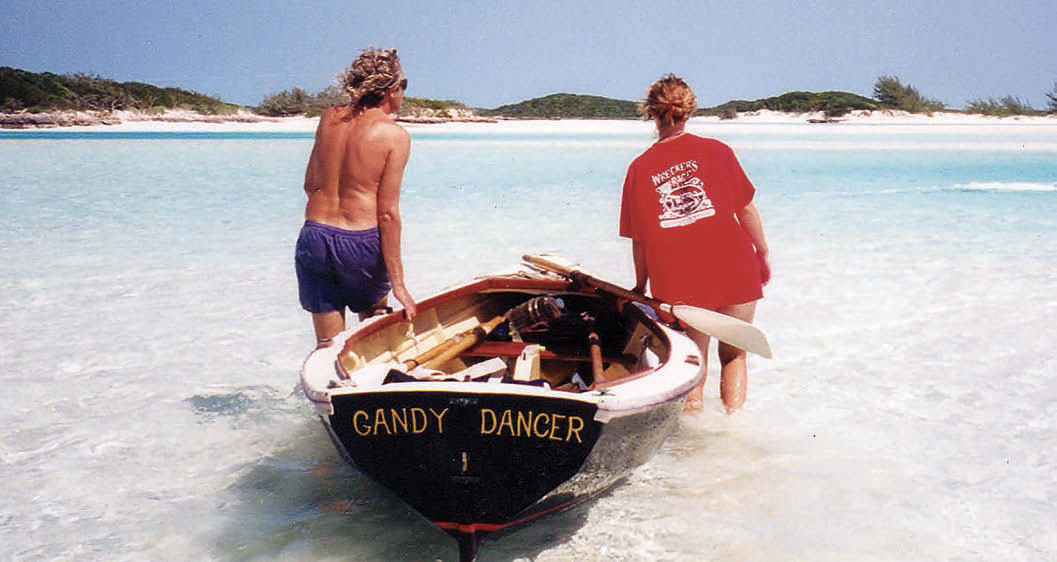
Small Boats Annual 2013
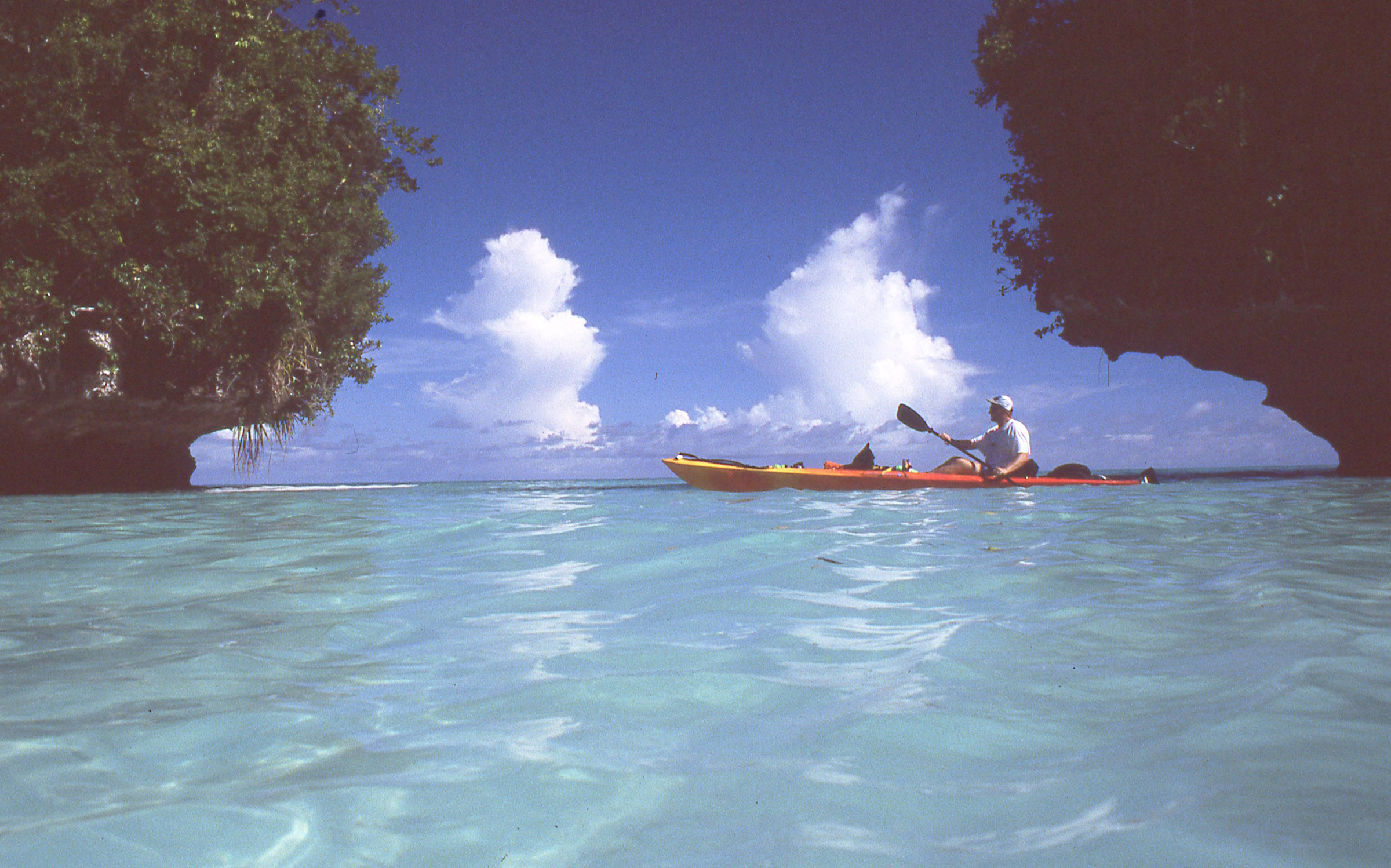
From “Palau”; photograph by Christopher Cunningham
Whether you want a quiet afternoon paddle or a weeklong island-hopping adventure, the world is full of exciting options. But selecting the right destination for your small boat cruise isn’t as simple as throwing a dart at a map. For beginners and experienced boaters alike, embarking on a successful and enjoyable boating trip begins with making smart decisions.
Your choice should align with your skills, boat type, weather tolerance, and trip goals. This guide will help you narrow your options—then inspire you with some of our favorite small-boat destinations around the world.
Before you dive into destination research, think about what type of trip you want. Will this be a relaxing day trip, or an overnight adventure? Do you plan to island-hop? Will you sleep aboard your boat or camp on an island? How long do you want to be on the water?
Each scenario brings different considerations. And setting your goals ahead of time will help you prepare for a safe and enjoyable voyage.
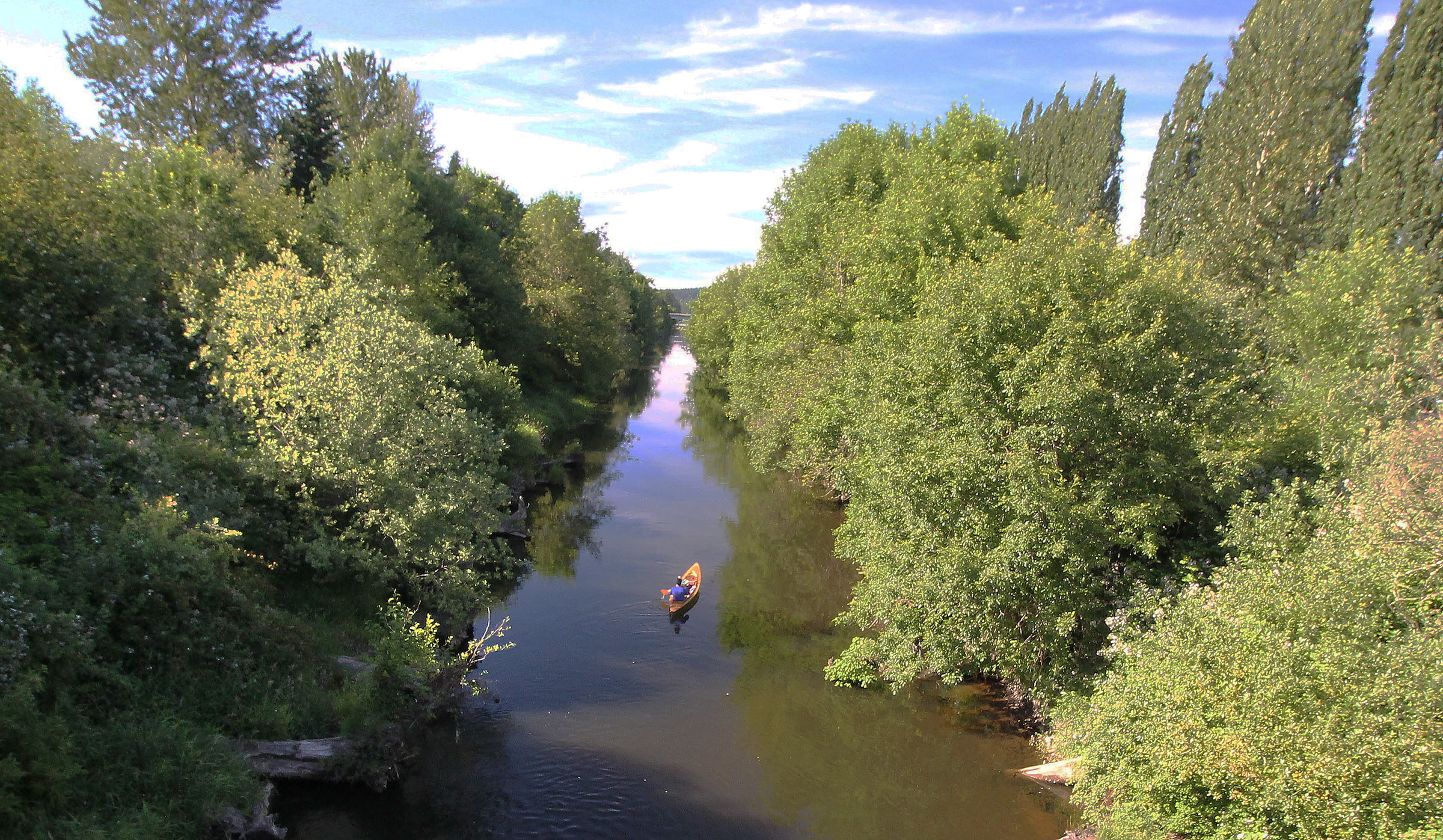
From “Father’s Day”; photograph by Christopher Cunningham
Look for nearby lakes, rivers, or coastal waters that offer easy access and lots of scenic spots to explore. Protected bays, inland lakes, and tidal inlets are ideal for day trips for short-range paddle or sail.
Things to think about:
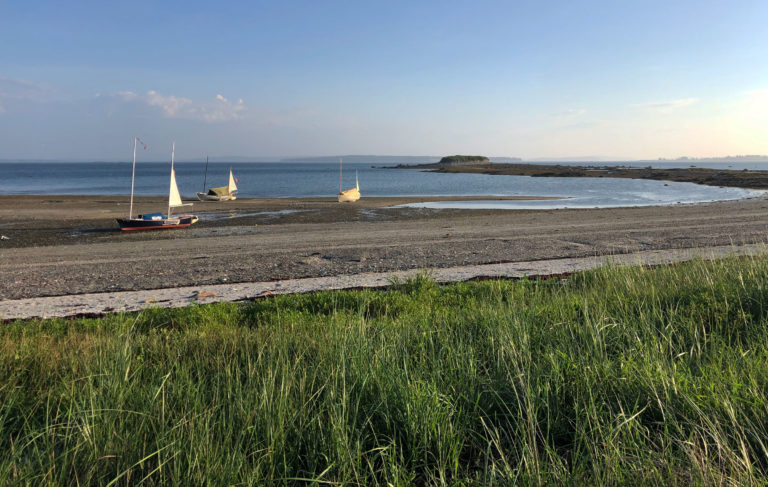
From “Swan’s Island”; photograph by Jonathan McNally
Consider routes that provide safe anchorage or camping options. Make sure there is a reliable sheltered area so you can sleep aboard your boat or ashore. For small-boat cruising, overnight trips demand more planning focused on landing possibilities and long-range weather forecasts.
Things to think about:
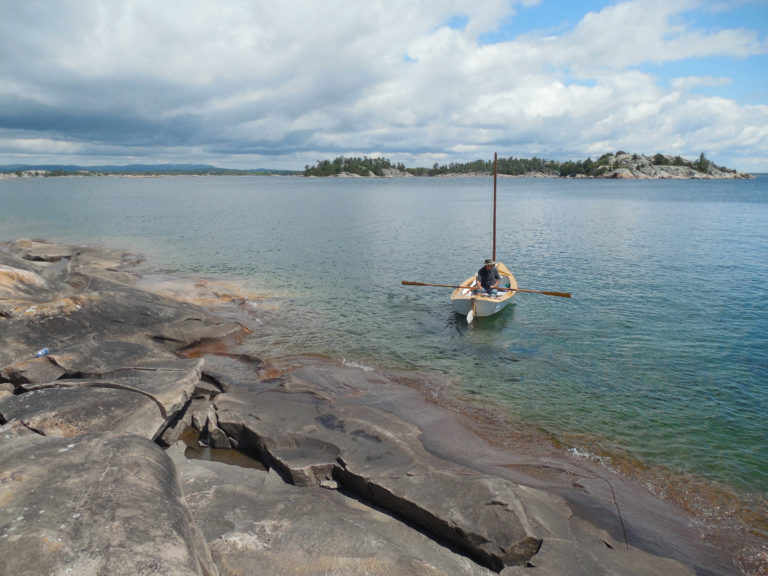
From “A Week on Georgian Bay”; photograph by Tom Pamperin
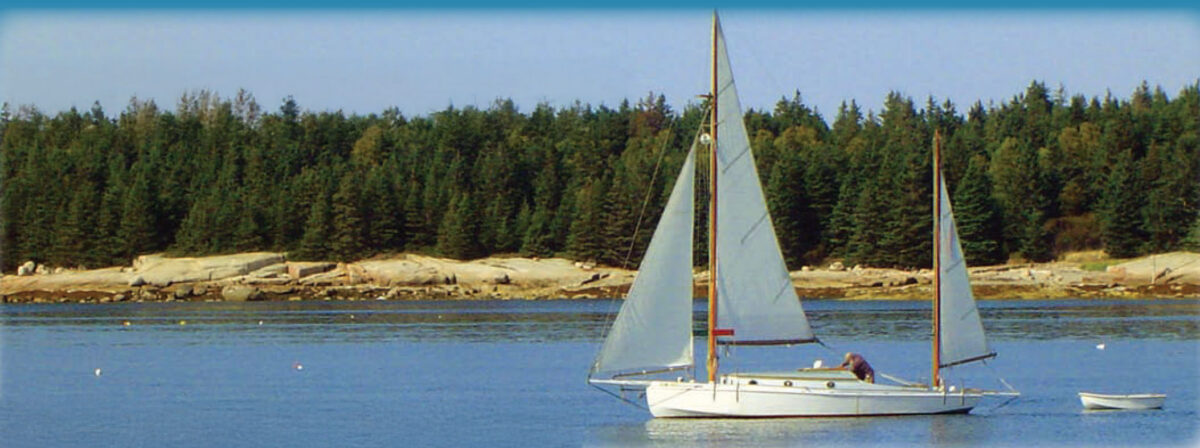
Island-dense small-boat destinations are great for multi-day exploration. Look for groups like the Maine Island Trail Association to help you plan your trip. They usually have good information on amenities and the landscapes you can enjoy on your voyage.
Things to think about:
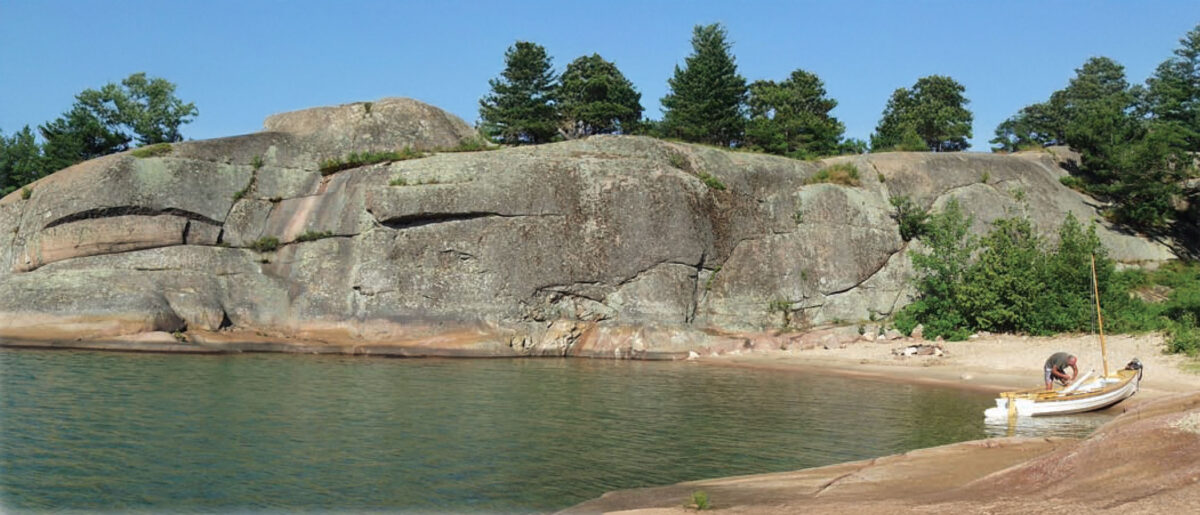
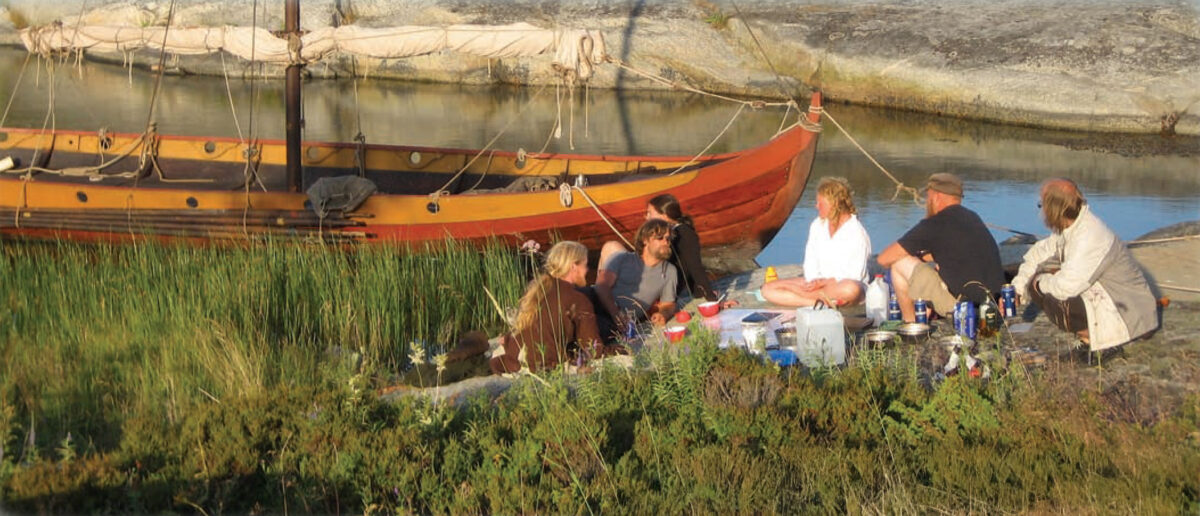
Setting up camp on an island beach offers peaceful solitude, particularly for canoeists, kayakers, and other small-boat users. But do your homework! Before you cast off, make sure you:
Above all else, make sure you have the right boat and the necessary experience to handle the expected conditions and distances.
Your boating skills play a key role in selecting your destination. Finding a safe boating area gives first-time boaters a chance to build their skills while enjoying their new hobby. But even experienced sailors will expand their knowledge and skillset with each trip.
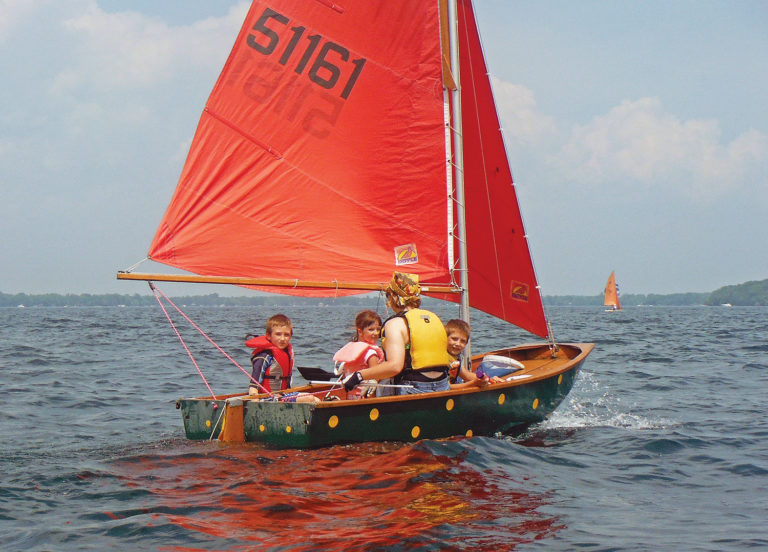
From “The Mirror”; photograph by John Summers
Choose calm waters with minimal currents. Beginner boating destinations like popular lakes, sheltered bays, and protected archipelagos are great for honing your small boat skills and having fun doing it. Be sure to look for:
Don’t push yourself too far too soon. Enjoy the learning process, and know the more you learn, the more confident and the safer you’ll be when exploring waters in the future.
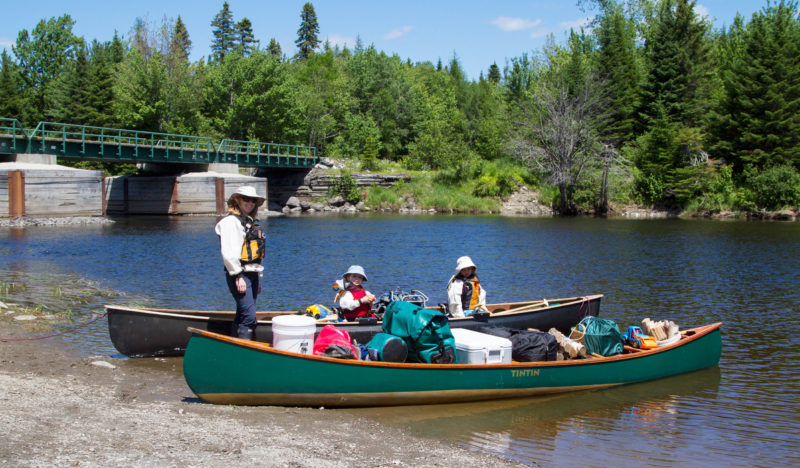
From “Investing in Memories”; photograph by Donnie Mullen
Boaters with some experience can consider partially exposed coastlines and short open-water crossings. But only if they are comfortable with:
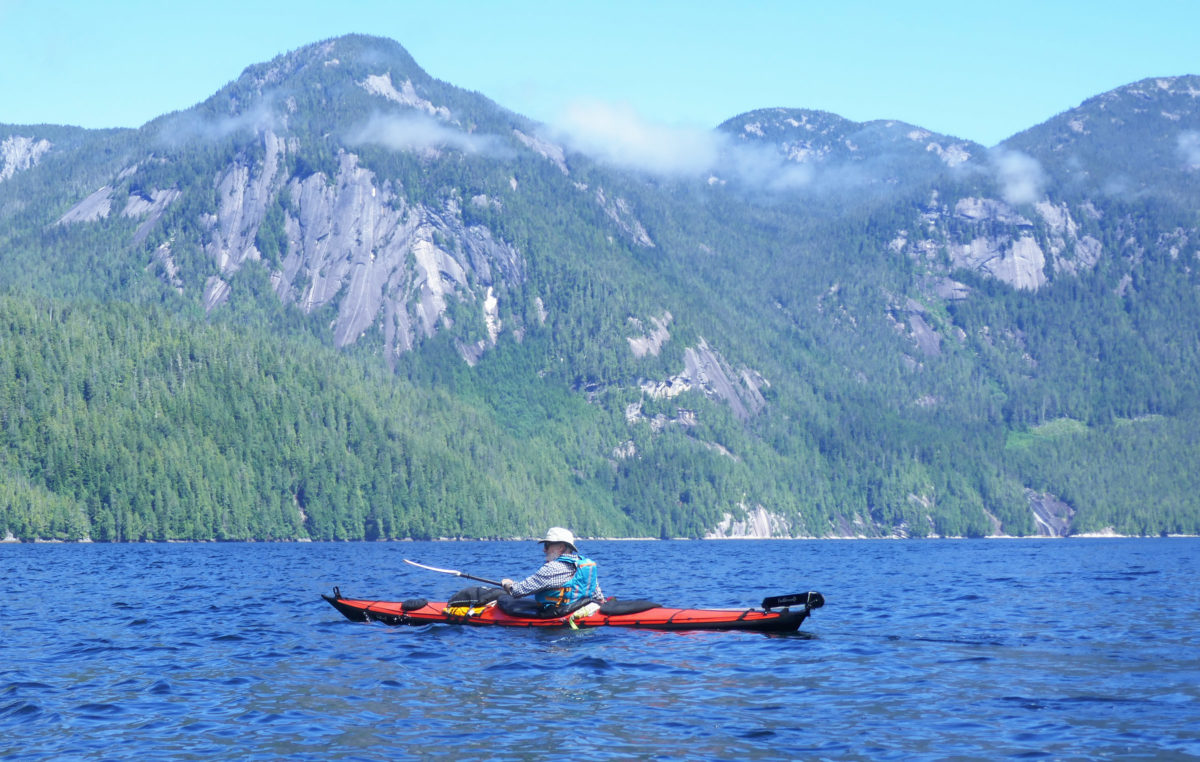
From “Rowing the Broughton Archipelago”; photograph by Roger Voeller
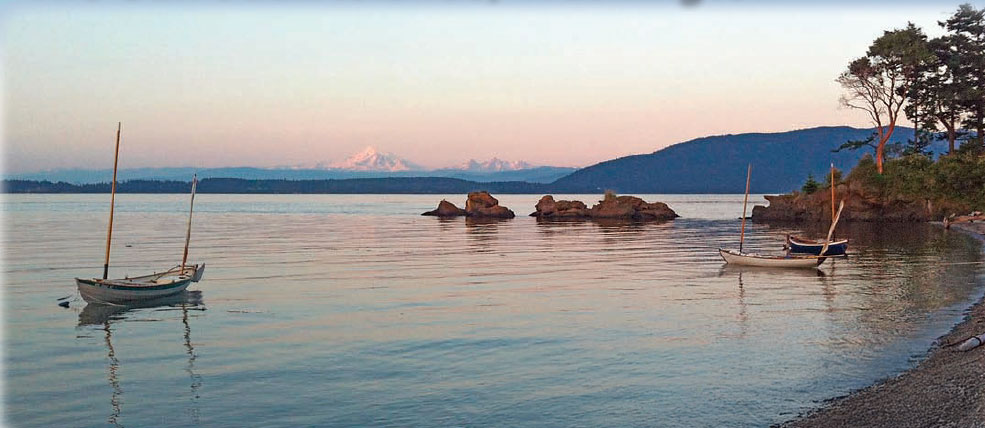
Exploring challenging cruising grounds like the San Juan Islands or Sweden’s Stockholm Archipelago can provide lifelong memories, excitement, and adventure. Experienced boaters should be better prepared for more exposed coastal sailing passages and expedition-length paddling routes. But be ready for:
The more demanding a route is, the higher the skill level required to meet its challenge. But remember that this applies to both yourself and any crew you bring along. If you are in separate boats—such as canoes or kayaks—but cruising in company, always align your cruising plans with the skills of your least experienced participant, not your most confident one.
Whether you are planning a day trip, an overnight excursion, or a multi-day cruise, safety and knowing how to deal with the elements should always be paramount. Early preparation for changing weather conditions, and being aware of local rules and regulations will go a long way in avoiding unpleasant surprises.
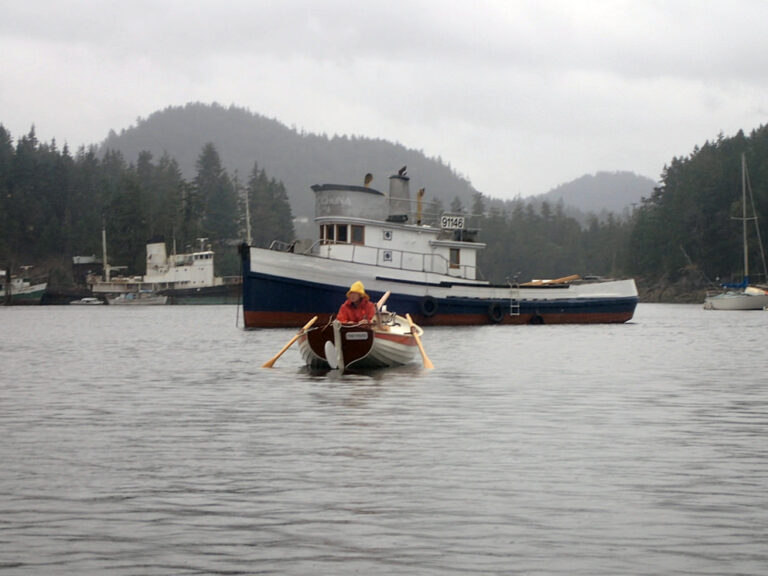
From “The Heart of a Cruiser”; photograph by Tim Yeadon
Take time to understand the typical weather conditions for the season. Spring and fall may reduce boat traffic on the water, but can bring increased weather volatility. Be sure to check weather forecasts multiple times a day before and during your boating adventure.
Regardless of the season, pay close attention to:
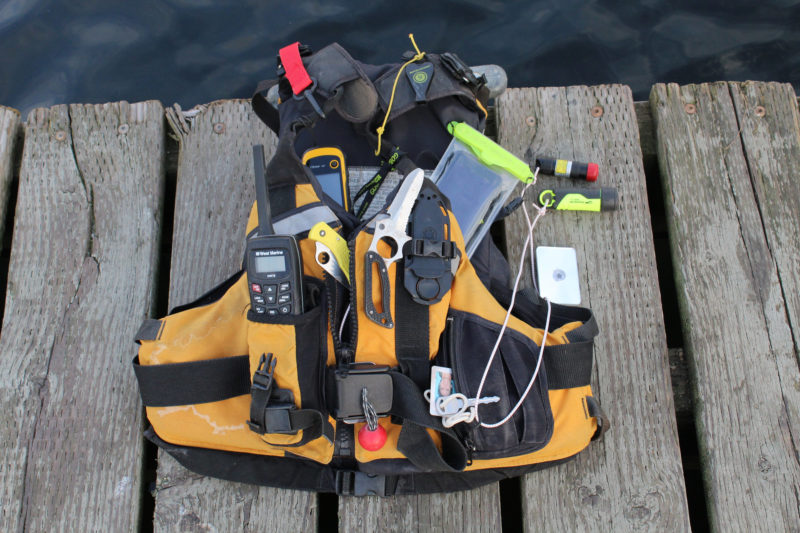
From “What’s in your PFD pockets?”; photograph by Christopher Cunningham
Aside from local boating regulations, such as permits and restrictions, adhere to general boat safety requirements and make sure you have everything you need on a boat by law.
In addition to safety, you’ll want to consider accessibility, amenities, wildlife, and cultural experiences you can enjoy along the way. When mapping out your route, be sure to make note of any potential stops.
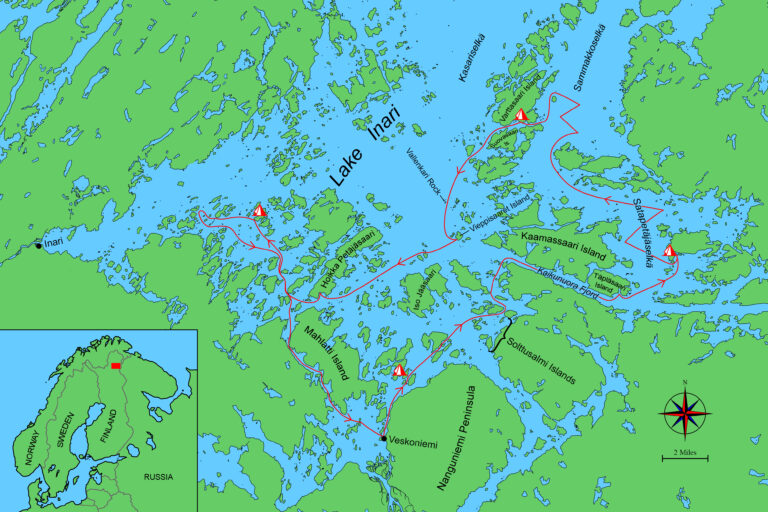
From “The Sea of the Sámi People.”
Be sure to use up-to-date nautical charts and tidal current tables. Calculate your nautical miles and boat travel time so you know what to expect when getting from Point A to Point B. Always plan a conservative daily mileage and have a back-up plan in case of emergencies—know your limits.
Even if you have a GPS, always carry paper charts with you, remembering to consult them at regular intervals. Be sure to keep paper charts protected from the water and keep your GPS handy and charged.
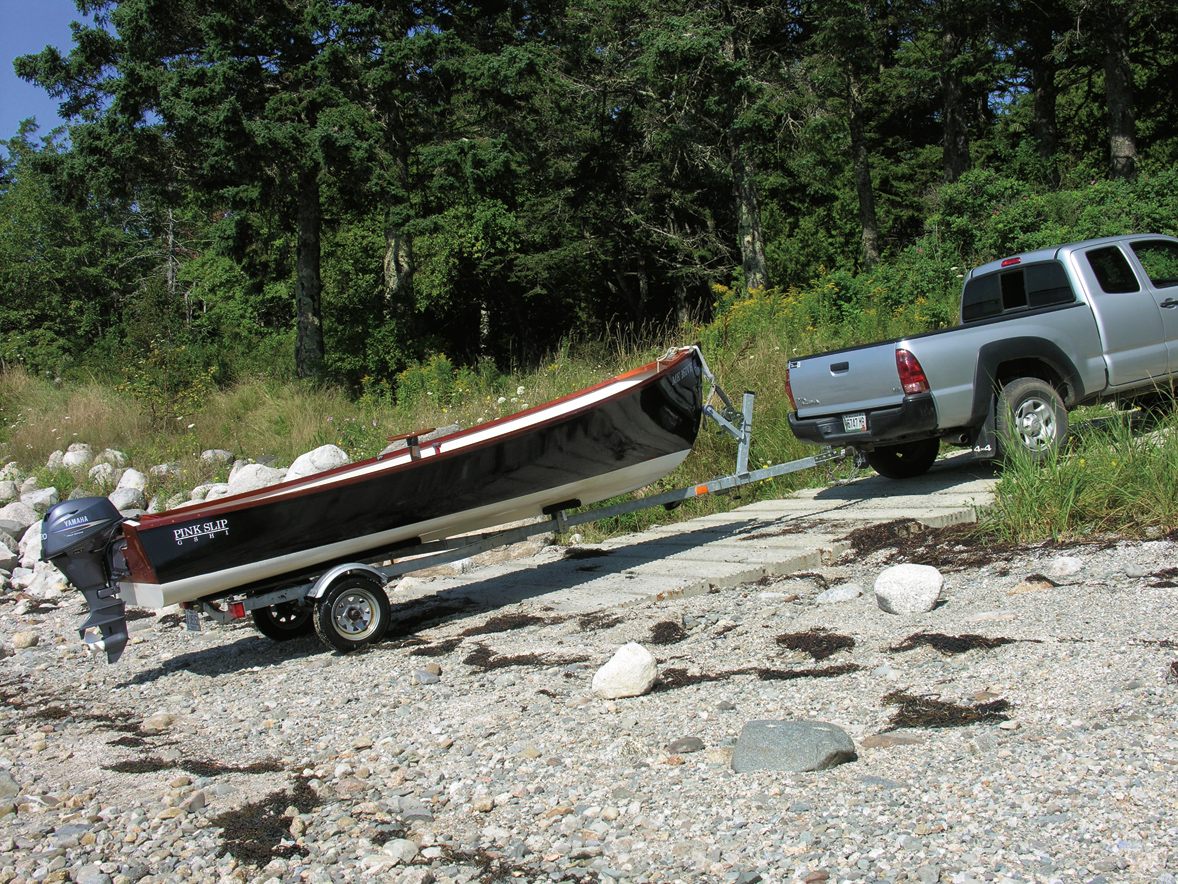
From “Going Down the Road”; photograph by Matthew P. Murphy

From “The Young Man and the Sea of Cortez”; photograph by Owen Alfonso
Research local wildlife protections and interaction guidelines. And remember: not all wild animals appreciate a selfie.
Make time to visit historic fishing villages and tourist spots along your route. Consider timing your voyage to align with area festivals and regattas.
As with any trip by water, land, or air, it’s important to remain flexible. Things don’t always go according to plan, and adapting to changing conditions improves safety and enjoyment.
Add buffer days for weather and identify possible alternate anchorages. Avoid over-scheduling and always include bailout options along your route.
Research what you will need if your route crosses an international border. You will likely need a passport or other identification, but you may also need small boat travel permits and other paperwork.
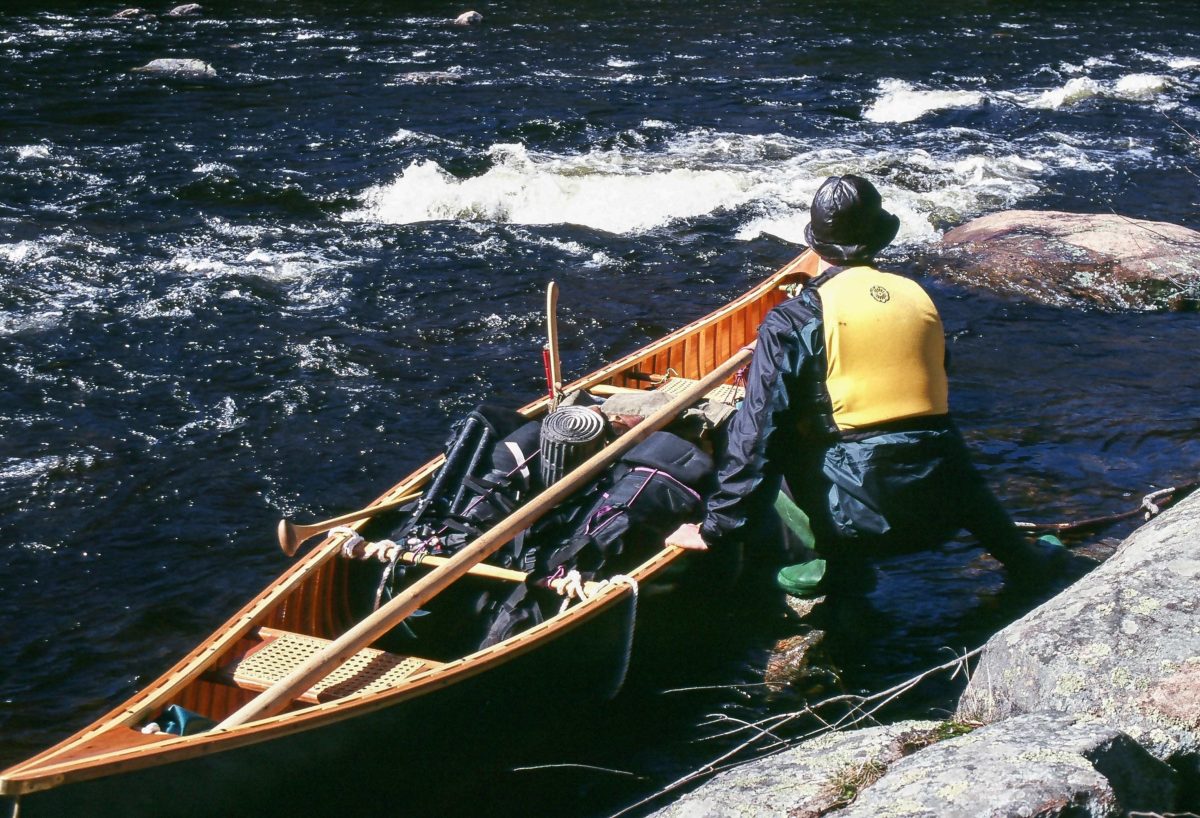
From “Crossing the Northeast by Canoe”; photograph by Andy Chakoumakos
Finding the right destination for your small boat voyage can lead to lifelong memories. With the right planning and research, you can visit incredible landscapes, (safely) meet diverse wildlife, and immerse yourself in different boating cultures.
Check below for some of the more popular destinations for small-boat enthusiasts.
Small Boats Annual 2013
Small Boats Annual 2013

Small Boats Annual 2013
Small Boats Annual 2013
Small Boats Annual 2013
Small Boats Annual 2013
Small Boats Annual 2013
Small Boats Annual 2013
Small Boats Annual 2013
Small Boats Annual 2013